
Optimizing Vehicle Performance for Heavy Towing
Towing heavy loads is no small task. Whether you’re hauling a trailer, boat, or any other substantial cargo, you need a vehicle that’s up to the challenge. But did you know there are several ways to optimize your vehicle’s performance to ensure it can handle these strenuous demands effectively?
In this article, we’ll explore practical strategies for optimizing vehicle performance specifically for heavy towing. From engine modifications to tire upgrades, we’ll cover everything you need to make sure your towing experience is smooth and efficient.
Understanding the Basics of Heavy Towing
Before we dive into the optimization strategies, let’s first understand what makes heavy towing so demanding on a vehicle.
When you’re towing something heavy, your vehicle is working harder than usual. It needs more power to move the load, and it also requires enhanced braking and suspension systems to ensure safety and control. But simply having a high towing capacity isn’t enough. Optimization involves fine-tuning your vehicle to handle the increased strain while maintaining long-term durability and performance.
Upgrade Your Engine for Maximum Power
When towing heavy loads, your engine must possess sufficient horsepower and torque to pull the weight effectively. Upgrading your engine is a crucial step in optimizing your vehicle for towing. A simple but effective upgrade is installing a cold air intake. This modification allows your engine to breathe more efficiently by providing cooler, denser air. Denser air contains more oxygen, leading to increased power output.
Beyond a cold air intake, consider tuning your engine. A performance tune recalibrates your engine’s parameters, such as fuel injection and ignition timing, to increase horsepower and torque. For those seeking maximum power gains, forced induction options like superchargers or turbochargers are highly effective. These systems significantly boost the engine’s power output by forcing more air into the combustion chamber, enabling the vehicle to tow heavier loads with greater ease.
Improve Transmission Performance
Your transmission plays a vital role during towing, adjusting gear shifts based on the vehicle’s load. Heavy towing significantly increases strain on the transmission, requiring it to handle greater pressure without overheating or failing. To protect your transmission, consider installing a transmission cooler to maintain optimal fluid temperatures and prevent overheating. Additionally, transmission tuning can be reprogrammed for improved towing performance, enabling smoother shifts under load and maximizing towing capacity.
Optimize the Suspension System
Towing significantly alters a vehicle’s weight distribution, demanding suspension adjustments to maintain stability and safety. Upgrading your suspension system improves load management, reduces sagging, and enhances the overall towing experience. Heavy-duty springs are designed to handle the extra weight of a trailer without compromising ride quality, preventing the vehicle’s rear end from sagging under heavy loads. For more advanced control, air suspension systems offer adjustable height based on the towing weight, ensuring a level vehicle for improved handling and safety.
Upgrade Your Brakes for Safety
Towing heavy loads puts significant strain on your vehicle’s braking system. It must slow down both the vehicle itself and the attached load, requiring increased braking power. To handle the increased heat generated during heavy towing, consider upgrading to heavy-duty brake pads and rotors. These components are designed to withstand the heat and improve braking efficiency. If your trailer has its own braking system, installing a brake controller is essential. This device allows you to manage the braking force applied to both the vehicle and the trailer, enhancing safety and control during towing operations.
 Enhance the Cooling System
 Enhance the Cooling System
Towing heavy loads significantly increases heat generation within your engine and transmission. If this heat isn’t effectively managed, it can lead to serious damage. To prevent overheating, it’s crucial to improve your vehicle’s cooling system. Installing a larger radiator provides increased cooling capacity, essential for long-distance towing. Additionally, incorporating an oil cooler ensures that engine and transmission oils maintain optimal temperatures, improving both performance and longevity.
Upgrade Tires and Wheels
The right tires are paramount when towing, as they bear the combined weight of the vehicle and the load. Upgrading tires and wheels can substantially enhance towing performance. This improvement is particularly noticeable in areas such as grip, durability, and overall safety.
To handle the increased weight of a towing situation, consider investing in load range tires. These specialized tires are designed to carry heavier loads, offering superior traction and increased durability to withstand the stress associated with towing. Additionally, consider upgrading to lightweight but strong aluminum wheels. By reducing the overall weight of the vehicle, aluminum wheels can improve fuel efficiency and handling while still providing the necessary strength for heavy towing.
Install Tow Mirrors for Better Visibility
When towing, especially with a large trailer, visibility is key. Tow mirrors extend the driver’s view to help prevent blind spots and make it easier to maneuver. These mirrors can significantly improve safety when towing, particularly on highways or in tight spaces.
Regular Maintenance Checks
Maintaining your vehicle in top condition is crucial for optimal performance when towing heavy loads. Regular oil changes are essential for proper engine lubrication and preventing overheating. Before each towing trip, ensure your tires are inflated to the correct pressure to minimize wear and tear. Regularly inspect your brakes for wear and tear and replace them as needed to guarantee safety and prevent unexpected failures while towing.
Choose the Right Gear Ratio
The gear ratio in your vehicle’s differential plays a crucial role in towing. A lower gear ratio, such as 3.73 or 4.10, provides more torque to the wheels, making it easier to move heavy loads. If you plan on doing a lot of towing, consider switching to a lower gear ratio to improve performance.
Proper Load Distribution
 Proper Load Distribution
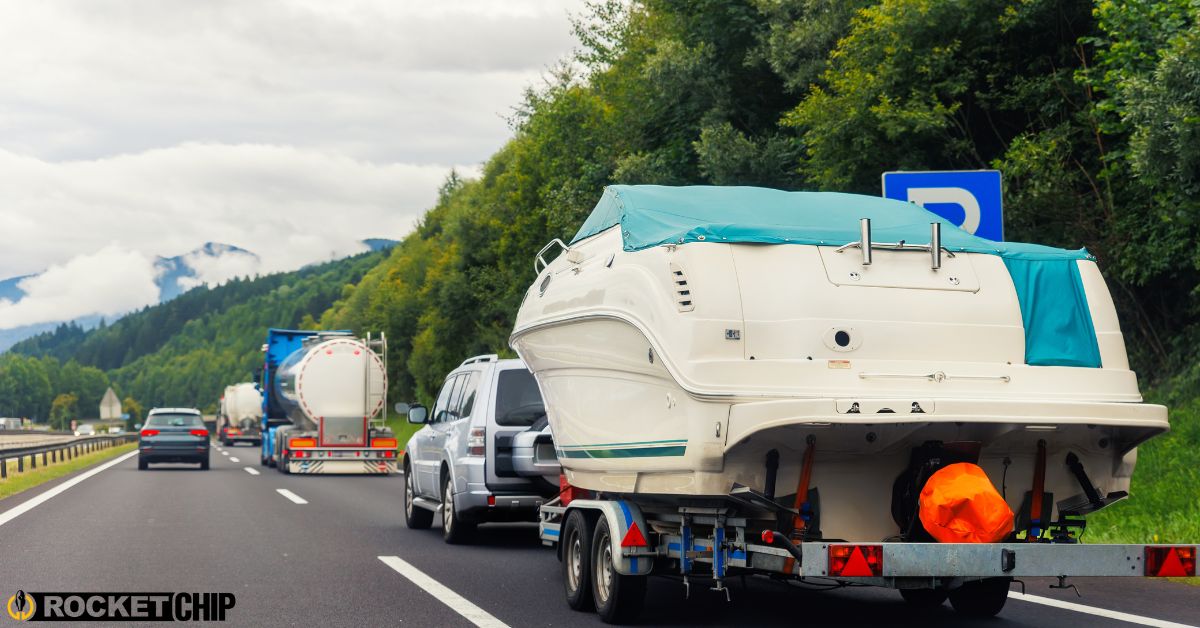
Proper load distribution is essential when towing. If the load is too far back or front, it can affect your vehicle’s balance, stability, and handling. Always ensure that the weight is evenly distributed across the trailer or load to maintain control and prevent excessive strain on the vehicle.
Increasing Power for Towing
Optimizing your vehicle for heavy towing is about much more than just having a strong engine. It involves making upgrades and adjustments to ensure that every component of your vehicle is ready to handle the added strain. From better brakes to a more powerful engine, each of these modifications contributes to a smoother, safer towing experience. However, remember to always research proper towing with your pickup truck.
By investing in these performance optimizations, you’ll not only ensure that your vehicle performs at its best when towing, but you’ll also extend its lifespan and improve safety for both yourself and others on the road.