
Understanding AFM Disablers: Impact on Performance, Fuel Economy, and Warranty
Active Fuel Management (AFM) systems, also known as cylinder deactivation, are increasingly common in modern vehicles. Designed to improve fuel efficiency by shutting down cylinders under light load conditions, AFM systems can be a double-edged sword. While they undoubtedly contribute to better gas mileage, some drivers find the transition between active and deactivated cylinders to be jerky and disruptive to the driving experience. This has led to the rise of AFM disablers, aftermarket devices that prevent the AFM system from engaging. But before you jump on the bandwagon and install an AFM disabler, it’s crucial to understand the potential impact on your vehicle’s performance, fuel economy, and warranty.
How Do AFM Disablers Work?
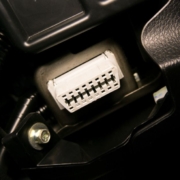
AFM disablers are typically small electronic modules that connect to the vehicle’s engine control unit (ECU). By interrupting the signal between the ECU and the AFM system, the disabler essentially tricks the computer into thinking the engine should always operate on all cylinders. This ensures a smoother and more consistent driving experience, but it comes at a cost.
Impact on Performance

One of the main arguments for AFM disablers is that they can improve performance. In theory, having all cylinders firing constantly should translate to more power on demand. However, the reality is often more nuanced. Modern engines are designed to operate efficiently in both AFM and active cylinder modes. Disabling AFM might lead to a slight increase in responsiveness at low speeds, but the overall power gains are likely to be negligible in most everyday driving situations. In fact, some engines may even experience a slight decrease in power due to less optimal fuel management.
Impact on Fuel Economy
The primary purpose of AFM is to enhance fuel efficiency. By shutting down cylinders during light load conditions, AFM systems can significantly reduce fuel consumption. Disabling this function will undoubtedly negate the fuel-saving benefits of AFM. Depending on your driving habits, you could see a noticeable decrease in gas mileage, potentially offsetting any perceived performance gains.
Impact on Warranty
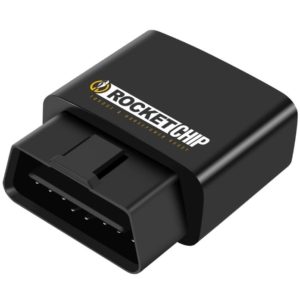
Perhaps the most critical factor to consider before installing an AFM disabler is the potential impact on your vehicle’s warranty. Most manufacturers view tampering with the engine control system as a violation of the warranty terms. If you experience any engine-related issues after installing an AFM disabler, the manufacturer may deny warranty coverage for repairs. This could leave you facing significant costs for repairs that would otherwise be covered under warranty.
Alternatives to AFM Disablers
If you’re unhappy with the way your vehicle’s AFM system operates, there are alternatives to consider before resorting to an aftermarket disabler. Some manufacturers offer driver-selectable modes that allow you to choose between optimizing for performance or fuel economy. Additionally, consulting with a qualified mechanic may reveal underlying issues with the AFM system that can be addressed through proper maintenance or software updates from the dealership.
AFM disablers offer a tempting solution for drivers who dislike the characteristics of cylinder deactivation. However, the potential drawbacks in terms of fuel economy and warranty coverage should be carefully weighed before making a decision. Exploring alternative options and consulting with a mechanic can help you achieve a smoother driving experience without compromising the integrity and longevity of your vehicle.