Maximizing MPG in Extreme Temperatures: Tips for Hot and Cold Climates
Fuel efficiency, or miles per gallon (MPG), is a critical factor for any vehicle owner. Whether you’re trying to save on fuel costs or reduce your carbon footprint, maintaining an optimal MPG is key. But did you know that extreme temperatures—whether searing heat or bone-chilling cold—can drastically affect your vehicle’s fuel efficiency? Many drivers face challenges in both hot and cold climates, but by adjusting your habits and taking care of your vehicle, you can mitigate the impact.
This article will dive into how extreme temperatures influence your vehicle’s performance and offer practical tips to maximize your MPG in both hot and cold climates. Let’s hit the road!
How Extreme Temperatures Affect MPG
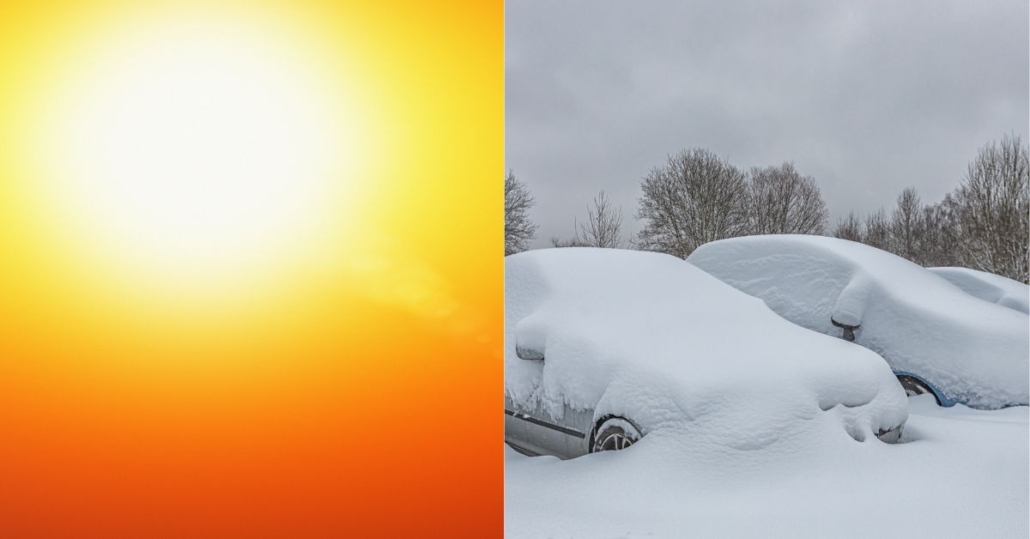
Understanding how hot and cold temperatures affect your vehicle’s MPG is crucial. External conditions significantly impact your car’s performance, fuel consumption, and overall efficiency.
In hot climates, air conditioning usage, tire pressure, and fuel evaporation can increase fuel consumption. Running the AC can reduce fuel economy due to the added power required. Heat causes tires to expand, sometimes overinflating them, leading to reduced traction and MPG. In extreme heat, fuel can evaporate more quickly, especially if the gas cap isn’t sealed properly.
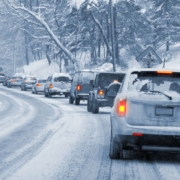
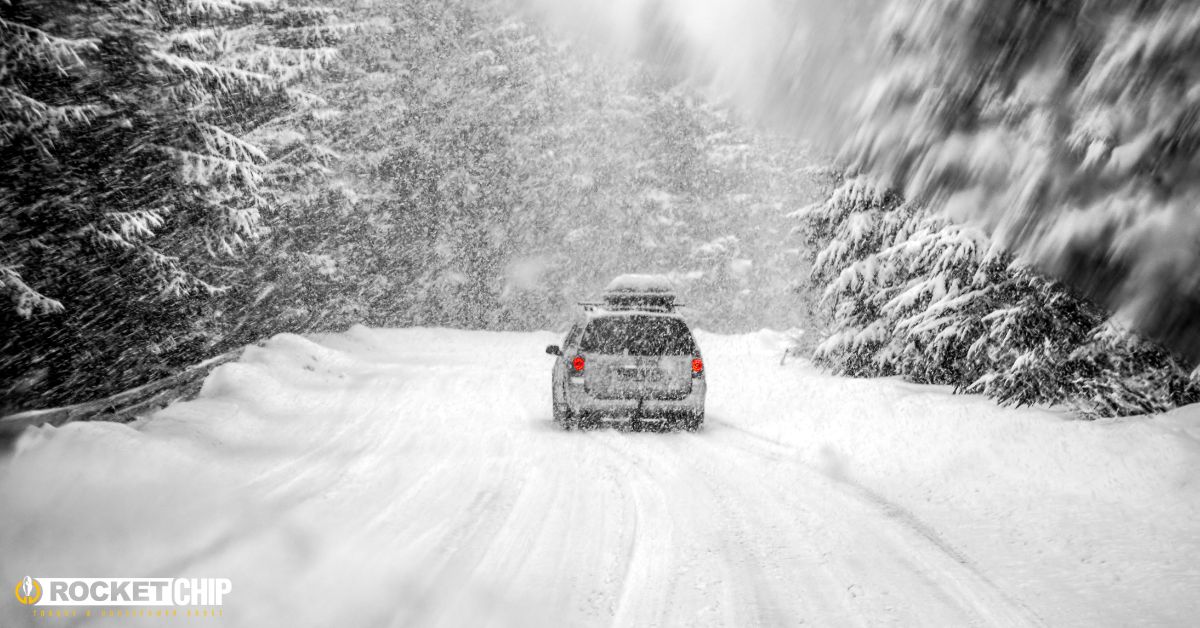
Cold climates present their own challenges. Cold engines are less efficient and burn more fuel until they reach optimal operating temperature, which can take longer in frigid conditions. Tire pressure drops in cold weather, creating more rolling resistance and lowering MPG. Additionally, ice, snow, and slush can add weight and drag, making your vehicle work harder and consume more fuel.
 Tips to Maximize MPG in Hot Climates
 Tips to Maximize MPG in Hot Climates
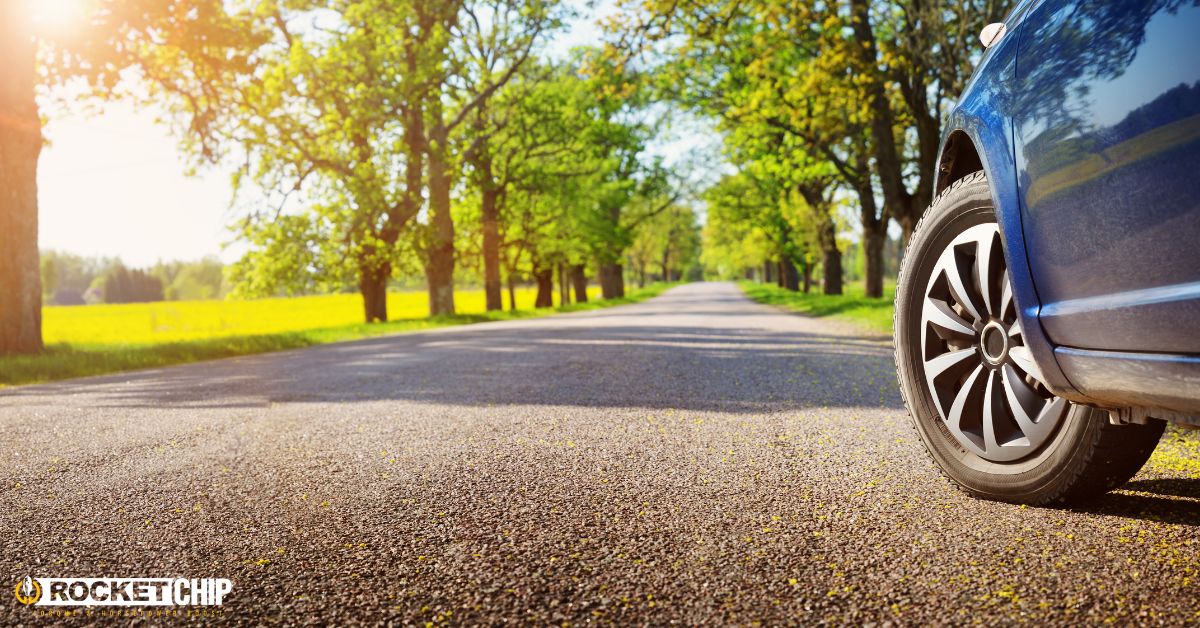
Summer heat can significantly impact fuel efficiency. By implementing a few simple strategies, you can keep your fuel consumption in check. First, use air conditioning wisely. While it’s tempting to blast the AC, it’s a major drain on your MPG. Instead, ventilate the car initially by opening the windows. Use recirculation mode to cool the air inside rather than constantly bringing in hot air from outside. Avoid idling with the AC running; turn off the engine when parked.
Second, maintain proper tire pressure. Heat causes tire pressure to rise, which can lead to overinflation and reduced traction. Regularly check your tire pressure and ensure it’s at the manufacturer’s recommended level.
Third, park in the shade whenever possible. Direct sunlight heats up the interior and causes fuel evaporation. Using a windshield sunshade can help keep your car cooler and improve fuel efficiency.
Tips to Maximize MPG in Cold Climates
Winter driving conditions can significantly impact fuel efficiency. However, there are several strategies to reduce fuel consumption even in frigid temperatures. First, avoid long idling periods. While it may seem counterintuitive, driving gently for the first few miles allows your engine to warm up gradually.
Modern engines don’t require extensive warm-up times like older models. Second, consider investing in an engine block heater if you live in an extremely cold region. These devices preheat your engine, reducing the amount of fuel needed to reach operating temperature. Third, maintain proper tire inflation. Cold weather causes tire pressure to drop, which can lower your MPG.
Regularly check your tire pressure and ensure it’s at the manufacturer’s recommended level. Underinflated tires increase rolling resistance, making your vehicle work harder and burn more fuel.
General Tips for Maximizing MPG in Any Climate
 General Tips for Maximizing MPG in Any Climate
Some fuel-saving tips are universal, applicable regardless of the weather. To maximize your gas mileage year-round, consider these evergreen strategies. First, drive smoothly. Aggressive driving, such as rapid acceleration and hard braking, burns more fuel. Maintain a steady speed and brake gently. Cruise control can be helpful on highways, especially in moderate conditions. Second, ensure your vehicle is well-maintained. Regularly change the air filter, use high-quality fuel, and keep your spark plugs in good condition. Regular checkups help your car run at peak efficiency, regardless of the season.
Finally, plan your routes carefully. Avoid traffic congestion and poorly maintained roads that can lead to inefficient driving. Apps like Google Maps or Waze can help you find the most fuel-efficient routes by avoiding unnecessary stops. Additionally, if your car has fuel-saving features like eco-mode, utilize them. Many modern vehicles have systems designed to optimize engine performance and improve fuel economy.
Improving MPG
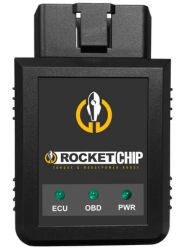
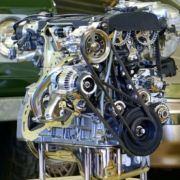
A plug-in performance chip can be a game-changer for improving MPG. These chips reprogram your engine control unit (ECU) to optimize fuel delivery, timing, and overall engine efficiency. By fine-tuning these aspects, a performance chip helps your engine run more efficiently, especially during acceleration and cruising, where unnecessary fuel consumption often occurs. Many chips are designed with fuel economy modes that reduce the amount of fuel used without sacrificing power. This can result in noticeable improvements in MPG, especially for drivers who frequently face stop-and-go traffic or long highway drives. Additionally, a well-installed ECU chip adapts to your driving habits, making adjustments that help conserve fuel over time.
Whether you’re facing the sweltering heat of summer or the freezing chill of winter, extreme temperatures can significantly impact your vehicle’s MPG. By taking proactive steps—like monitoring tire pressure, driving efficiently, and making small adjustments based on the climate—you can maximize your fuel efficiency, save money, and reduce your environmental impact.
When it comes to saving fuel, it’s all about being mindful of how external conditions affect your car and adapting your driving habits accordingly. No matter where you are or what season it is, with a few tweaks, you can keep your MPG in check and keep more money in your pocket.