

What Are Plug-In Performance Chips and How Do They Work?
Let’s be honest: if you’re into cars, chances are you’ve heard someone talk about “plug-in performance chips” as the quick fix for more power, better fuel efficiency, or even smoother throttle response. It sounds too good to be true, right? Just plug in a small chip and boom—your car magically performs like a beast?
Well, there’s some truth to the hype… and also a lot of marketing fluff to cut through. So let’s break it all down and find out what plug-in performance chips really are, how they work, and whether they’re worth your hard-earned cash.
What Exactly Is a Plug-In Performance Chip?
Think of it as a mini computer or tuning device that connects directly to your vehicle’s onboard diagnostics port (OBD-II). Its goal? To change how your engine behaves by adjusting settings like fuel delivery, air-to-fuel ratio, ignition timing, and throttle response.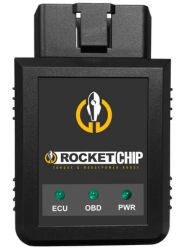
Performance chips have been around since the ’80s, but the plug-and-play versions you can install without turning a wrench? That’s a more modern twist.
Where Do You Plug It In?
Right under your dashboard—usually beneath the steering wheel—you’ll find the OBD-II port. This is the gateway to your car’s ECU (Engine Control Unit). Plug the chip in, and voilà, you’re in the system.
No opening the hood. No greasy fingers. Just a simple snap-in installation.
How Does It Work? (In Plain English)
Let’s simplify this: your car’s ECU is like the brain of the vehicle. It decides how much fuel to send, when to spark the ignition, how to adjust the air-fuel mixture—you name it. The plug-in chip doesn’t completely rewrite your ECU like full-blown remapping, but it talks to it. It sends signals that slightly tweak how the brain behaves.
For example, it might tell the ECU to inject more fuel at specific RPM ranges to boost acceleration. Or it might lean out the fuel delivery to improve MPG during highway cruising.
It’s all about optimizing existing parameters.
Types of Plug-In Performance Chips
1. Signal Modifiers
These are the most common. They trick the ECU by sending slightly altered signals from sensors (like the MAF or IAT sensors), changing how the ECU reacts. They’re cheap and easy to install but also the least precise.
2. Pre-Programmed Chips
These come with performance maps already built in. They’re better optimized and safer than signal modifiers, usually providing modest gains in horsepower and torque.
3. Custom Tuners (Piggyback ECU Units)
Not quite plug-and-play, but close. These are more advanced units that work alongside your ECU, offering more control and sometimes even app integration. Think of them as co-pilots for your engine.
What Kind of Gains Can You Expect?
Ah, the million-dollar question. The Rock Chip plug-in performance chips offer:
-
40-60 more horsepower
-
4-6mpg
-
20-25% more torque
- Slightly better throttle response
Are Plug-In Performance Chips Safe for Your Engine?
Generally, yes—if you stick to reputable brands. Most chips operate within the safe limits of your engine’s parameters. They don’t push things to the redline, so long-term engine damage is unlikely.
But low-quality chips from shady manufacturers? Huge red flag. Some of them don’t actually do anything. They just light up an LED to make you feel fast.

Do You Need to Be a Mechanic to Use One?
Nope. That’s the beauty of plug-in chips. Most come with simple instructions and require nothing more than locating your OBD-II port and pushing the device in.
Some might ask you to turn the ignition on and off or drive a few miles while the chip calibrates. Easy stuff. No tools required.
Are They Legal?
In most places, yes—but emissions regulations vary. In California, for example, the CARB (California Air Resources Board) is super strict. If a chip doesn’t have CARB approval, it’s technically illegal for on-road use.
Make sure to check your local laws before installing anything.
Will It Void My Warranty?
Here’s the thing—if the dealer finds out and wants to be a stickler, they could deny warranty coverage related to the chip’s function (like engine or transmission issues). The Magnuson-Moss Warranty Act protects you from blanket warranty voids, but it’s a gray area.
Pro tip: unplug the chip before heading to the dealership. It’s not permanent and leaves no trace.
What’s the Difference Between a Plug-In Chip and ECU Remapping?
Good question.
-
Plug-In Chip: Easy, reversible, modest gains, affordable.
-
ECU Remap (Flash Tuning): Requires pro tuning, higher cost, better gains, permanent (unless you re-flash back).
Remapping rewrites your ECU’s code from the inside. Plug-in chips trick the ECU from the outside. One is like changing the game; the other is like playing it a bit differently.
How Much Do They Cost?
Prices range widely.
-
Cheap eBay chips: $20–$50 (often scams)
-
Mid-range plug-in chips: $100–$300
-
High-end programmable units: $400+
Always research the brand. Look for real reviews, not just testimonials on the product page.
Are They Worth It?
That depends on your expectations.
If you’re looking for noticeable but not mind-blowing improvements, and you want something DIY-friendly, plug-in chips can be a fun upgrade. Just don’t expect race-car results.
But if you’re chasing serious performance and have a turbocharged engine or high-end build? You’re better off investing in a dyno tune or ECU remap.
Plug-in performance chips are one of those “you-get-what-you-pay-for” upgrades. Done right, they’re a low-risk way to enhance your driving experience. Done wrong, they’re glorified LED lights that do squat.
If you’re curious, go for a well-reviewed model and test it out. You might be pleasantly surprised.
And hey—if you don’t like it? Unplug it and go back to stock. It’s that simple.