

AFM Disablers: A Guide to Deactivating Active Fuel Management
Active Fuel Management (AFM) is a feature designed to improve fuel efficiency in some General Motors (GM) vehicles. While it’s a technological marvel that helps save gas, many car enthusiasts and owners find it to be more of a hassle than a benefit. Whether it’s the odd feeling of the engine shifting between cylinder modes or concerns about long-term engine wear, disabling AFM has become a common desire for many. But how exactly do you disable AFM, and is it safe? Let’s dive into what AFM is, why people disable it, and how you can go about it.
What is Active Fuel Management (AFM)?
AFM, also known as cylinder deactivation, is a system that allows your vehicle’s engine to shut down half of its cylinders during light driving conditions to save fuel. In V8 engines, for example, AFM will deactivate four cylinders when the car doesn’t need full power, such as cruising on a highway. The concept behind AFM is simple: fewer cylinders firing means less fuel consumption, which ultimately translates to better fuel economy.
GM introduced this system in many of their vehicles as a way to meet growing demands for efficiency without compromising power. But while the theory makes sense on paper, real-world experiences with AFM have been mixed.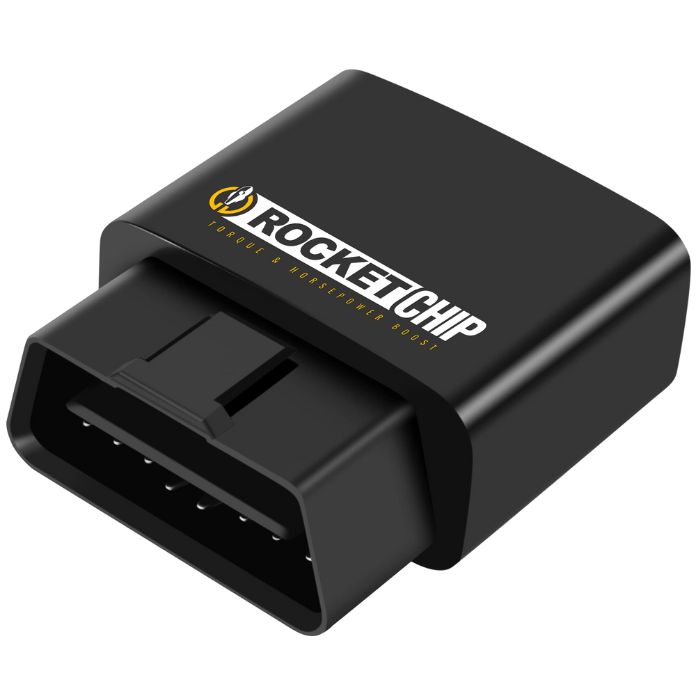
Why Would You Want to Disable AFM?
AFM, while intended to improve fuel efficiency, has led to some drawbacks that have prompted many drivers to seek solutions like AFM disablers. One common issue is the potential for inconsistent engine performance. As the engine switches between V8 and V4 modes, it can sometimes experience a noticeable hesitation or roughness, impacting the overall driving experience.
Another concern is the potential for increased engine wear. The constant switching between cylinder modes can place additional stress on various engine components, such as lifters and valves. Over time, this wear and tear can lead to premature engine failure and costly repairs. Additionally, AFM engines are known for higher oil consumption rates compared to non-AFM engines. This increased oil consumption can result in more frequent oil changes and potentially damage the engine if not properly maintained.
Despite its theoretical benefits, AFM often fails to deliver significant fuel savings in real-world driving conditions. Many drivers report minimal or no noticeable improvement in fuel economy after enabling AFM. For some, the potential issues and downsides of the system outweigh the slight fuel savings, making AFM disablers an attractive option. Furthermore, AFM can hinder performance when towing or performing heavy-duty tasks. The system may not always provide the necessary power and reliability for such demanding applications, leading to a less-than-ideal driving experience.
How Does an AFM Disabler Work?
AFM disablers are simple plug-in devices that disable the AFM system without requiring any permanent modifications to your vehicle. Easy to install, these disablers typically don’t necessitate specialized tools or knowledge. By plugging into the vehicle’s OBD-II port, usually located under the dashboard, the disabler communicates with the vehicle’s computer, preventing it from activating AFM. This essentially tricks the car into maintaining full-cylinder mode, ensuring that your engine operates as a V8 (or V6) without ever shifting to V4 (or V3) mode.
There are two primary methods to disable AFM: physical disablers and ECU tuning. Physical disablers are plug-and-play devices that are easy to use and don’t involve permanent changes. Simply plug the disabler into the OBD-II port, and it immediately prevents AFM activation. This is a quick, straightforward, and low-risk method. If you wish to re-enable AFM, simply unplug the device. On the other hand, ECU tuning involves reprogramming your vehicle’s ECU to permanently disable AFM. This requires specialized tuning software and technical expertise. While ECU tuning offers greater control over your vehicle’s performance, it carries risks, including potential warranty voidance and potential engine damage if done incorrectly. However, it provides a more reliable and permanent solution compared to physical disablers.
Pros and Cons of Disabling AFM
Before deciding to disable AFM, it’s important to consider both the advantages and potential drawbacks. Disabling AFM can lead to several benefits, including consistent engine performance, reduced engine wear, and lower oil consumption. By preventing the engine from constantly switching between cylinder modes, you can enjoy smoother performance and potentially extend your engine’s lifespan. Additionally, disabling AFM can improve towing capability, as the engine operates at full power without interruptions.
However, there are potential downsides to consider. Disabling AFM, particularly through ECU tuning, may void your vehicle’s warranty, so it’s crucial to weigh this risk if your vehicle is still under warranty. While many drivers report minimal fuel savings with AFM, there’s a possibility that disabling it could slightly reduce your fuel economy. Finally, there’s the cost factor, as both physical disablers and ECU tuning come with associated expenses, ranging from a few hundred dollars to potentially more depending on the complexity of the tuning process.
Is Disabling AFM Safe?
Disabling AFM is generally considered safe if done correctly. Using a reputable AFM disabler from a trusted brand is a low-risk option that doesn’t involve modifying the vehicle permanently. ECU tuning can also be safe, but it requires more caution as you’re making permanent changes to the vehicle’s programming.
 It’s important to note that disabling AFM could have an impact on your vehicle’s emissions, as the system was designed to meet specific efficiency standards. Always check local regulations to ensure that disabling AFM won’t cause any legal issues, particularly in areas with strict emissions laws.
How to Disable AFM: Step-by-Step Guide
To disable Active Fuel Management (AFM) in your vehicle, start by purchasing an AFM disabler from a reputable brand like Range Technology or Diablo Sport, ensuring compatibility with your specific vehicle model. Locate the OBD-II port, typically found beneath the dashboard on the driver’s side. Once located, simply plug the disabler into the port, and it will automatically begin disabling the AFM system. After installation, take your vehicle for a test drive to confirm that the disabler is functioning correctly and your engine remains in full-cylinder mode. Monitor your vehicle’s performance over the next few days, and if you encounter any issues, unplug the device and contact the manufacturer for support.
AFM disablers offer a straightforward solution to an otherwise complex problem. While Active Fuel Management was designed to improve fuel efficiency, many drivers find that the downsides outweigh the benefits. Disabling AFM can result in smoother engine performance, reduced oil consumption, and longer engine life. Whether you choose a physical disabler or go the route of ECU tuning, it’s essential to weigh the pros and cons carefully. If done correctly, disabling AFM is a safe and effective way to get the most out of your vehicle’s engine.