

The Ultimate Guide to AFM Disablers
When it comes to improving vehicle performance and avoiding common mechanical headaches, one term frequently comes up: Active Fuel Management (AFM). Whether you’re a seasoned gearhead or someone simply tired of AFM-related issues, let’s dive into AFM Disablers and everything you need to know.
What Is Active Fuel Management (AFM)?
AFM, is a cylinder deactivation technology designed by General Motors (GM). It’s aimed at improving fuel efficiency by shutting down specific cylinders under light driving conditions. For example, in a V8 engine, AFM might deactivate four cylinders when full power isn’t necessary.
Sounds great, right? Well, not always. While AFM does improve fuel economy in certain scenarios, it’s not without its drawbacks.
Why Do People Disable AFM?
Disabling Active Fuel Management (AFM) offers several potential benefits for drivers. It can eliminate the performance lag and inconsistent power delivery that often occurs when cylinders are deactivated, resulting in a more responsive and enjoyable driving experience. By disabling AFM, drivers can potentially avoid the costly repairs associated with the premature failure of AFM components, such as lifters, solenoids, and other hardware. Many drivers find the rough engine operation and irritating noise associated with AFM activation to be quite bothersome.
AFM disablers can eliminate these annoyances and restore smoother, quieter engine operation. Finally, for those who modify their vehicles for increased horsepower or torque, AFM can often hinder performance gains. Disabling it ensures the engine operates at full capacity, making it more conducive to performance modifications.
AFM Disabler Methods
There are two primary methods for disabling Active Fuel Management (AFM): using a tuner or performing a mechanical modification. The most common and straightforward approach involves utilizing a tuner. This device re-programs your vehicle’s engine control module (ECM) to deactivate the AFM function. To disable AFM with a tuner, you’ll need to purchase a compatible device from a reputable brand such as Rocket Chip’s AFM Disabler.
The tuner is then connected to the vehicle’s OBD-II port, typically located under the dashboard. By following the tuner’s software instructions, you can select the option to disable AFM and save the new settings. This method offers the advantages of being quick and easily reversible, as well as eliminating the need for any mechanical work. However, it requires some technical knowledge to operate the tuner correctly, and certain tuners may void your vehicle’s warranty.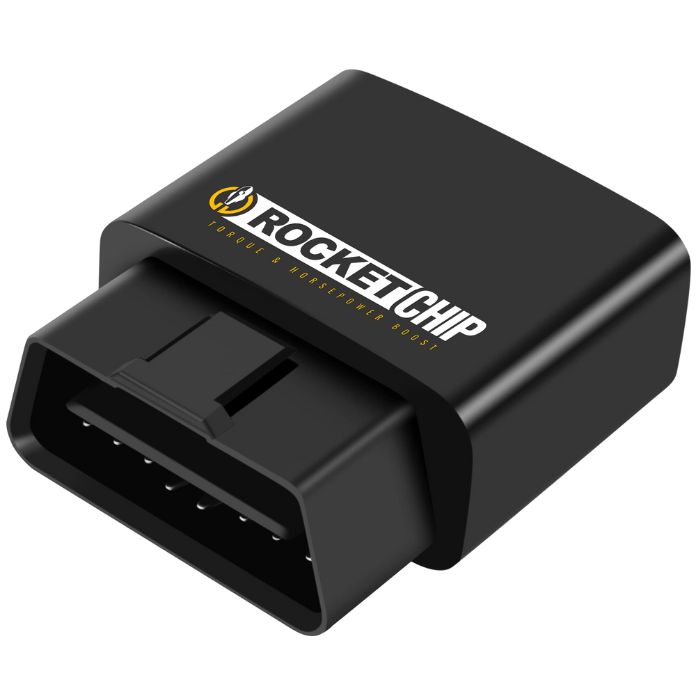
The alternative method for disabling AFM involves a more invasive mechanical modification. This approach requires physically removing or modifying the AFM components within the engine. This typically involves purchasing an AFM delete kit containing the necessary components, such as non-AFM lifters, pushrods, and valley covers.
The process requires disassembling a portion of the engine, including removing the intake manifold and cylinder heads, to access and replace the AFM components. Once the modifications are complete, the engine must be reassembled, and the ECM must be reprogrammed using a tuner to ensure proper engine operation. While this method provides a permanent solution and eliminates the risk of future AFM failures, it is significantly more expensive and time-consuming than using a tuner. Furthermore, it requires advanced mechanical skills or the expertise of a qualified professional.
Both methods offer effective ways to disable AFM, each with its own set of advantages and disadvantages. Choosing the most suitable method will depend on your budget, technical expertise, and the desired level of permanence.
Risks of Disabling AFM
While disabling Active Fuel Management (AFM) can offer certain advantages, it’s crucial to be aware of potential risks. Disabling AFM may void your vehicle’s warranty if it’s still under coverage. Additionally, in some regions, disabling AFM could cause your vehicle to fail emissions tests. Furthermore, depending on the chosen method, disabling AFM can be a costly endeavor, particularly if it involves mechanical modifications.
Signs That Your AFM System Is Failing
If you’re unsure whether disabling Active Fuel Management (AFM) is necessary, pay attention to these warning signs: a ticking noise emanating from the engine, which could signal failing lifters—a common AFM-related issue; a decrease in fuel economy, as malfunctioning AFM systems can paradoxically worsen fuel efficiency; the illumination of the check engine light, often triggered by diagnostic trouble codes (DTCs) related to AFM problems; and rough idling or engine misfiring, which may indicate issues with AFM components.
AFM Disabler: Best Practices
Before disabling Active Fuel Management (AFM), it’s crucial to consult a certified mechanic or tuning expert if you lack the necessary skills. To avoid complications, invest in high-quality tools and parts, such as tuners or AFM delete kits. It’s essential to understand the potential impact of AFM disabling on your vehicle’s warranty by discussing the matter with your dealer or manufacturer.
 AFM Disabler
Disabling AFM can be a game-changer for those who prioritize performance, reliability, and customization. However, it’s essential to weigh the risks, stay informed about local regulations, and take a thoughtful approach. By following the steps and best practices outlined here, you can make the right choice for your car and driving needs.