

Chevy Performance Chips: The Definitive Guide to Power Gains
For decades, Chevrolet has built a reputation for powerful and reliable engines. From the iconic rumble of the small-block V8 to the modern muscle of the Corvette Z06, Chevy vehicles have always been a favorite for drivers seeking performance. But even the most impressive Chevy engine can benefit from a little extra kick. Thankfully, Chevy performance chips have emerged as a popular and accessible way to unlock hidden potential within your Chevy’s engine.
How Chevy Performance Chips Work
Chevy performance chips, also known as piggyback ECUs or tuning modules, are compact devices designed to work with your Chevy’s Electronic Control Unit (ECU). The ECU is essentially the brain of your engine, constantly monitoring and adjusting various parameters to optimize performance and fuel economy. Chevy performance chips connect to your vehicle’s OBD-II port (On-Board Diagnostics), a universal port mandated on all vehicles manufactured after 1996.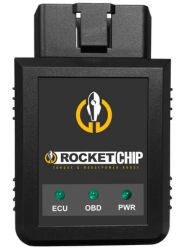
Once plugged in, the performance chip intercepts the signals traveling between the ECU and various sensors in your Chevy’s engine. The chip then modifies these signals in real-time to adjust air-fuel mixture, ignition timing, and other critical factors that influence horsepower and torque. By optimizing these parameters, the chip can coax more power out of your engine without compromising safety or reliability.
The Allure of Chevy Performance Chips
The most significant advantage of installing a Chevy performance chip is the potential for increased horsepower and torque. Gains can vary depending on the specific chip and your Chevy model, but increases of 10 to 30 horsepower are not uncommon. This translates to a noticeable improvement in acceleration, passing power, and overall driving excitement.
Beyond horsepower gains, some Chevy performance chips boast improved fuel economy. By fine-tuning engine operation, the chip can allow for more efficient fuel combustion. While the exact fuel economy improvement can vary depending on driving habits, some users report gains of 1-2 miles per gallon.
Perhaps the most appealing aspect of Chevy performance chips is their ease of installation. Unlike traditional performance modifications that require complex mechanical expertise, most Chevy performance chips are true “plug-and-play” systems. In most cases, installation simply involves locating the OBD-II port (usually under the dashboard) and plugging in the chip. The entire process typically takes less than 30 minutes and requires no special tools.
Considerations Before You Buy a Chevy Performance Chip
While Chevy performance chips offer a tempting boost in power, it’s vital to consider a few factors before you buy. First, performance chips are not a one-size-fits-all solution. It’s crucial to choose a chip designed specifically for your Chevy model and engine. Generic chips may not provide optimal results and could even harm your engine in extreme cases.
 Second, the performance gains you can expect will vary depending on your specific Chevy. Performance chips tend to have a more pronounced effect on larger displacement engines found in trucks and muscle cars. Researching results for your specific Chevy model and engine will give you a realistic idea of the potential gains.
Rev Up Your Chevy with a Performance Chip
Chevy performance chips provide an attractive option for Chevy owners who crave more power and performance without the hassle or expense of complex modifications. They are relatively inexpensive, easy to install, and can deliver noticeable gains in horsepower, torque, and potentially even fuel economy. However, choosing the right chip for your specific Chevy and understanding its limitations is crucial. With the proper research and selection, a Chevy performance chip can be a safe and effective way to unleash the hidden potential within your Chevy and elevate your driving experience.