

How Performance Chips Affect Dodge Engine Performance and Efficiency
Dodge vehicles are known for their muscle car heritage and impressive horsepower. But what if you want to squeeze even more out of your Dodge engine? That’s where Dodge performance chips come in. These chips are designed to alter your car’s computer settings, potentially resulting in increased horsepower, improved torque, and better fuel economy. However, it’s important to understand how these chips work and the potential drawbacks before you decide to install one in your Dodge.
What are Dodge Performance Chips?
Dodge performance chips, also known as piggyback ECUs or tuning modules, are small devices that connect to your car’s existing Engine Control Unit (ECU). The ECU is essentially the brain of your engine, and it controls various functions like fuel injection, ignition timing, and boost pressure (for turbocharged engines). Performance chips work by intercepting the signal between the ECU and the engine sensors. They then modify this signal based on the chip’s pre-programmed settings, essentially telling the ECU to run the engine differently.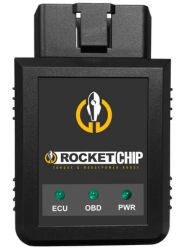
How Do Performance Chips Affect Engine Performance?
Dodge performance chips promise an enticing proposition: more power and torque for your Dodge. These chips achieve this by making subtle adjustments to your engine’s control unit. They can tweak the air-fuel mixture, which can influence the amount of power produced during combustion. Additionally, performance chips can adjust ignition timing, optimizing the spark plug firing sequence for better efficiency and power delivery. In turbocharged engines, some chips might even have the capability to increase boost pressure, essentially cramming more air into the engine for significant power gains.
It’s important to remember that the actual performance improvements you experience will depend on several factors. The specific chip you choose plays a big role. Some chips are programmed for a more balanced approach, prioritizing modest power gains alongside improved fuel economy. Conversely, other chips might be designed to unleash maximum performance, potentially sacrificing gas mileage for that extra kick. Your Dodge model is another key factor. Newer Dodge engines with advanced ECUs might see smaller gains from performance chips compared to older models with less sophisticated engine management systems. Finally, the condition of your engine is crucial. Performance chips won’t magically fix underlying mechanical issues. To get the most out of a performance chip, your Dodge engine needs to be in good working order.
Can Performance Chips Improve Gas Mileage?
Some Dodge performance chips advertise improved fuel economy alongside increased power. The logic behind this is that a more efficiently tuned engine can use less fuel to generate the same amount of power. So yes, performance chips can improve gas mileage!
 Dodge Performance Chips: A Guide to Unleashing More Power
 Dodge Performance Chips: A Guide to Unleashing More Power
Dodge performance chips can be a tempting way to unleash more power from your Dodge and elevate your driving experience. By tweaking your engine’s control unit, these chips have the potential to boost horsepower, improve torque, and even enhance fuel economy in some cases. However, it’s important to choose a reputable brand and a chip designed specifically for your Dodge model to maximize the benefits and avoid compatibility issues. Consulting with a qualified mechanic experienced with Dodge vehicles can help you determine if a performance chip is the right choice for your car and goals.