

AFM Disablers: Everything You Need to Know
Active Fuel Management (AFM) and Dynamic Fuel Management (DFM) are technologies used by General Motors (GM) to improve fuel efficiency in their vehicles. These systems work by deactivating cylinders in the engine under light load conditions. While AFM/DFM can be beneficial for fuel economy, some drivers find the transition between active and inactive cylinders to be jerky and unpleasant. This has led to the rise of AFM/DFM disablers in the aftermarket.
What is an AFM Disabler?
An AFM/DFM disabler is a device that is installed on a GM vehicle to prevent the AFM/DFM system from working. These devices typically come in the form of a small plug-in module that connects to the vehicle’s OBD-II port. Once installed, the disabler sends a signal to the engine computer (ECU) that tricks it into thinking that all cylinders are always needed. This prevents the AFM/DFM system from deactivating any cylinders.
How Do AFM Disablers Work?
There are two main types of AFM/DFM disablers: resistor-based and non-resistor based. Resistor-based disablers work by simulating the resistance of the solenoid valves that control cylinder deactivation. This sends a false signal to the ECU, which then keeps the cylinders active. Non-resistor based disablers use a more complex electronic signal to communicate with the ECU and achieve the same result.
Pros and Cons of AFM Disablers
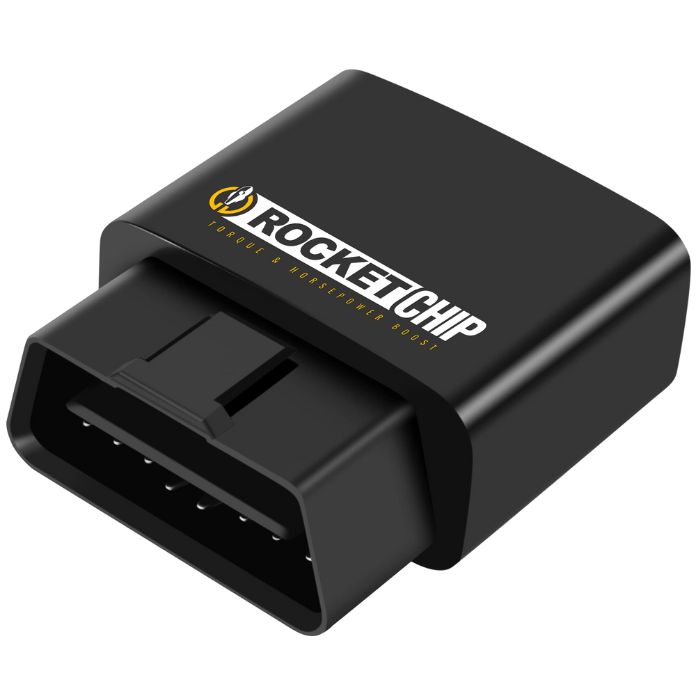
There are several potential benefits to using an AFM/DFM disabler. First, it can eliminate the jerky feeling that some drivers experience when the AFM/DFM system activates and deactivates. Second, it can provide a slight increase in power output, especially when towing or hauling a load. Additionally, some users report that AFM/DFM disablers can improve fuel economy in certain driving conditions. This seems counterintuitive, but the theory is that by keeping the engine running on all cylinders, it can operate more efficiently at highway speeds.
However, there are also some potential drawbacks to consider before installing an AFM/DFM disabler. First, disabling AFM/DFM may negate some of the fuel economy benefits of the system. While some users report improved fuel economy, others see a decrease. The impact on fuel economy likely depends on individual driving habits and conditions. Second, using an AFM/DFM disabler may void your vehicle’s warranty. It is important to check your warranty terms before installing one of these devices. Third, some states have emissions regulations that prohibit the tampering with emissions control systems. Using an AFM/DFM disabler could violate these regulations.
Important Considerations Before Installing an AFM Disabler
Before taking the plunge and installing an AFM/DFM disabler, it’s crucial to understand the potential consequences. Firstly, the impact on fuel economy can be a double-edged sword. While some users report improvements, there’s no guarantee. You might actually see a decrease in fuel efficiency, especially with city driving. Secondly, using a disabler could void your vehicle’s warranty. This means any repairs related to the engine or emissions system might not be covered by the manufacturer.
 Additional Factors to Consider
 Additional Factors to Consider
Beyond the core considerations of warranty, emissions, and fuel economy, there are additional factors to weigh before deciding on an AFM/DFM disabler. Firstly, consider the severity of the issue you’re experiencing. If the AFM/DFM activation is very jerky and creates a significant annoyance while driving, then a disabler may be a worthwhile investment to improve your driving experience. Secondly, think about your driving habits. Highway driving may see some benefit in terms of power delivery and potentially even fuel economy with a disabler, as the engine operates more efficiently at sustained speeds. However, if your driving is primarily stop-and-go city traffic, the disabler’s impact on fuel economy may be minimal.
Is an AFM Disabler Right for You?
AFM disablers can be a tempting option for GM vehicle owners who are bothered by the way the AFM/DFM system operates. If you are considering installing an AFM/DFM disabler, be sure to do your research and understand the potential risks involved. You should also consult with a mechanic to discuss whether a disabler is right for your vehicle.