

The Impact of AFM Disablers on GM Vehicles
Active Fuel Management (AFM), also known as Dynamic Fuel Management (DFM), is a technology used by General Motors to improve fuel efficiency in their V6 and V8 engines. It works by deactivating certain cylinders under light load conditions, essentially turning the engine into a smaller, more efficient one. While AFM offers clear benefits in terms of gas mileage, some GM owners choose to install AFM disablers. Let’s explore the impact of these devices on GM vehicles.
Why Use an AFM Disabler?
There are several reasons why some drivers opt for AFM disablers. One common complaint is a slight hesitation or shudder when the engine transitions between full and reduced cylinder mode. This can be particularly noticeable during highway cruising or light acceleration. Additionally, some drivers with aftermarket exhaust systems find the sound of the engine switching cylinders to be unpleasant.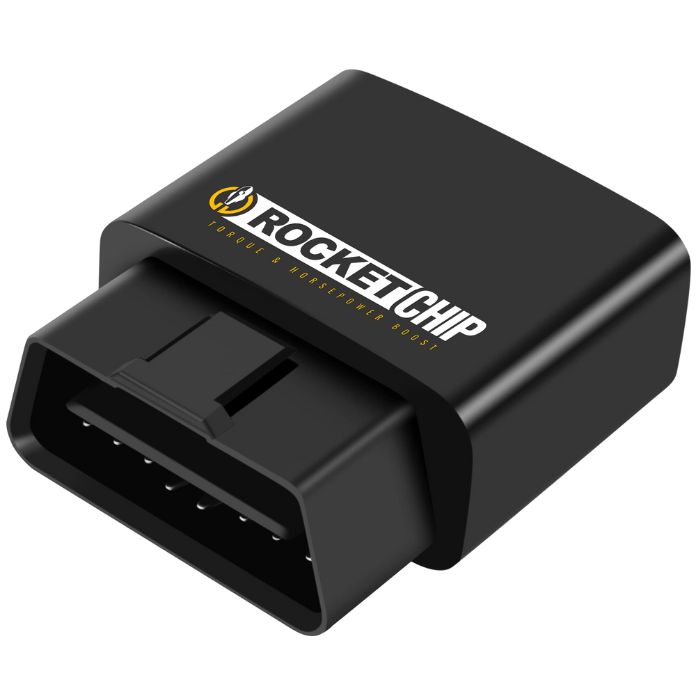
Beyond these subjective experiences, some drivers are concerned about the long-term reliability of AFM components. Early iterations of AFM systems experienced issues with lifter failures, leading to costly repairs. While GM has addressed these problems in newer models, some owners remain apprehensive. Disabling AFM altogether eliminates this potential concern.
Potential Benefits of AFM Disablers
Installing an AFM disabler can provide a smoother and more consistent driving experience. By keeping the engine running on all cylinders at all times, the hesitation or shudder associated with AFM transitions is eliminated. This can be especially desirable for drivers who prioritize a comfortable ride.
For those with modified exhaust systems, disabling AFM can also improve the overall sound of the vehicle. With all cylinders firing constantly, the exhaust note becomes more consistent and eliminates any irregularities caused by AFM activation.
In theory, disabling AFM could also lead to a slight increase in power output, particularly at lower RPMs. Since more cylinders are constantly engaged, there’s a readily available pool of power for acceleration. However, the actual gains in horsepower are likely to be minimal in most driving situations.
Potential Drawbacks of AFM Disablers
The most significant drawback of AFM disablers is the potential decrease in fuel efficiency. AFM is designed to improve gas mileage by shutting down cylinders during light loads. Disabling this function will likely result in a reduction in fuel economy, how much depends on driving habits.
Another potential concern is the impact on emissions. AFM systems are designed to meet specific emissions standards. Disabling this function could lead to a vehicle exceeding these standards, potentially causing issues during inspections or leading to environmental concerns.
It’s important to note that using an AFM disabler may void your vehicle’s warranty. Modifications that alter the functionality of emissions systems are often grounds for warranty denial by manufacturers.
 Alternatives to AFM Disablers
 Alternatives to AFM Disablers
If you’re experiencing issues with AFM or simply prefer a smoother driving experience, there are alternatives to installing a disabler. Some GM dealerships offer software updates that can refine the way AFM operates, potentially reducing the hesitation or shudder you might be feeling.
Another option is to upgrade your vehicle’s exhaust system with components designed to work seamlessly with AFM. These can help to mitigate any undesirable sounds associated with AFM transitions.
Is an AFM Disabler Right for You?
AFM disablers offer a way to alter the driving experience of your GM vehicle. They can provide a smoother ride, eliminate unwanted sounds, and potentially offer a slight power increase. However, these benefits come at the cost of reduced fuel efficiency and potential warranty issues. The legality of AFM disablers also varies by location.
Ultimately, the decision of whether or not to install an AFM disabler is a personal one. Weigh the potential benefits and drawbacks carefully, considering your driving habits, priorities, and local regulations before making a choice. If you’re unsure, consulting with a trusted mechanic specializing in GM vehicles can be a valuable resource.