
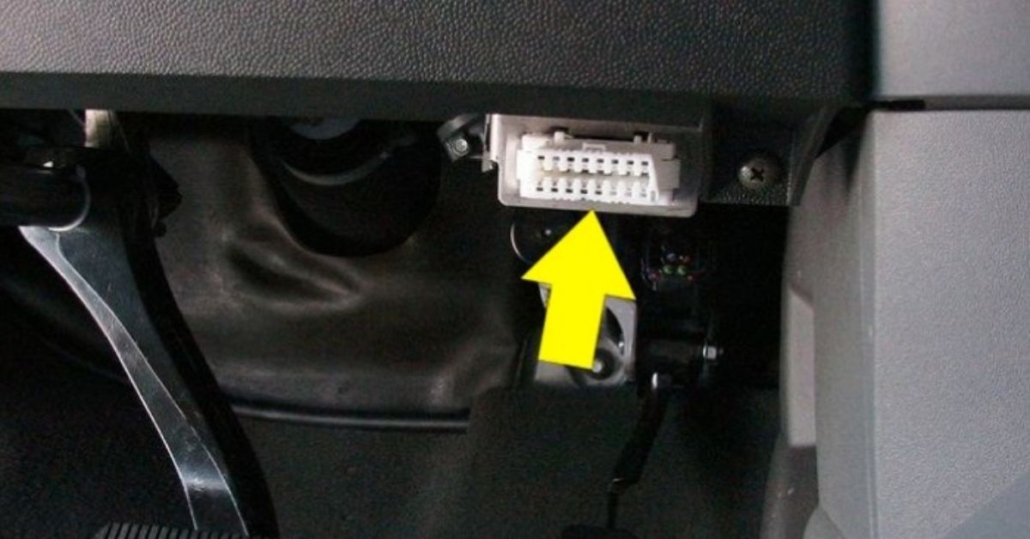
Does a performance chip stay plugged in?
Performance chips have gained popularity among car enthusiasts looking to squeeze extra horsepower, torque, and fuel efficiency out of their vehicles. But if you’re considering installing one, you might be wondering—does a performance chip stay plugged in all the time? Or is it something you install, tune, and then remove? Let’s dive into the details.
What Is a Performance Chip?
A performance chip, also known as an engine control unit (ECU) tuner or module, is a small device designed to modify the factory settings of your car’s engine. It can improve fuel efficiency, boost horsepower, and optimize overall engine performance by altering air-to-fuel ratios, ignition timing, and other parameters.
How Does a Performance Chip Work?
Performance chips function by intercepting and modifying the data exchanged between the vehicle’s Engine Control Unit (ECU) and various engine components. This manipulation of data allows the chip to alter engine parameters, potentially improving performance or fuel efficiency. Performance chips vary in their installation methods. Some are designed for a simple plug-and-play connection to the vehicle’s OBD-II port, while others require a more involved installation directly into the ECU itself.
Several types of performance chips are available, each with its own installation method and functionality. OBD-II plug-in chips are the simplest to install, connecting directly to the vehicle’s OBD-II port and easily removable. Piggyback chips, on the other hand, are installed inline with sensors, modifying signals before they reach the ECU. Finally, ECU flash tuners take a different approach, reprogramming the ECU software itself. These tuners do not require a physical device to remain plugged in after the ECU has been flashed with the new tuning parameters.
Does a Performance Chip Stay Plugged In?
The question of whether a performance chip should stay plugged in depends entirely on the type of chip. An OBD-II performance chip, like Rocket Chip, are generally designed for continuous operation. These chips remain plugged into the vehicle’s OBD-II port and constantly modify the engine’s data in real time to optimize performance. Unplugging them will cause the car to revert to its factory settings, effectively negating any performance or fuel efficiency benefits the chip provided.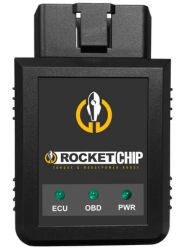
Piggyback chips, unlike OBD-II chips, are hardwired into the engine’s wiring system. Due to this more complex installation process, piggyback chips typically remain in place. Removing them is more involved, potentially requiring the disconnection of wires and the resetting of certain sensors. This makes them less convenient to remove and reinstall compared to plug-in chips.
ECU flash tuners operate differently than both OBD-II and piggyback chips. These devices do not stay plugged in. Instead, they are used to update the vehicle’s Engine Control Unit (ECU) software with new performance parameters. Once the ECU has been flashed with the new tune, the flash tuner can be removed. The performance tune remains in place unless the ECU is reset or flashed again with different parameters.
When Should You Unplug a Performance Chip?
Although most performance chips are designed to remain plugged in, several situations might necessitate their removal. During vehicle servicing, some mechanics may require the chip to be unplugged for accurate engine diagnostics. Warranty concerns may also arise, as some dealerships might void warranties if a performance chip is detected, making it prudent to unplug the chip before service visits. In areas with strict emissions testing, the chip might trigger a failed test, requiring temporary removal for successful inspections. Finally, when selling your vehicle, you might choose to remove the chip unless the buyer expresses interest in keeping it.
Potential Downsides of Leaving a Chip Plugged In
While performance chips can offer benefits, there are potential drawbacks to consider. Some OBD-II chips may draw power even when the car is off, leading to battery drain. Poorly designed chips can cause errors in the car’s Engine Control Unit (ECU), triggering the check engine light. Additionally, aggressive tuning by these chips may increase stress on engine components, potentially leading to increased wear and tear.
 Keeping Your Performance Chip Plugged In?
 Keeping Your Performance Chip Plugged In?
So, does a performance chip stay plugged in? It depends on the type you have. OBD-II and piggyback chips usually remain connected, while ECU flash tuners do not need to stay plugged in after programming. If you’re looking for a way to boost performance, a well-designed chip can be a great addition—just make sure you understand how it works and whether it needs to remain connected for long-term benefits.