

AFM: To Disable or Not to Disable?
Active Fuel Management (AFM) has sparked debate among vehicle owners, particularly those with General Motors (GM) vehicles. This innovative system, designed to improve fuel efficiency by deactivating engine cylinders during light-load conditions, has its fair share of advocates and detractors. The pressing question for many drivers remains: should you disable it or let it run as intended? Let’s take a deep dive into what AFM is, how it works, and the implications of installing an AFM Disabler.
What is Active Fuel Management (AFM)?
Active Fuel Management, or AFM, is a fuel-saving technology introduced by GM to optimize the performance of larger engines. By deactivating a portion of the cylinders under specific driving conditions, such as light cruising, AFM reduces fuel consumption and emissions. For instance, an eight-cylinder engine can temporarily operate on four cylinders when full power isn’t required, switching seamlessly back to all eight when you accelerate or need more power.
How Does AFM Work?
AFM operates using a network of sensors and actuators that constantly monitor engine demand. During steady-state driving, when the system detects that less power is needed, it deactivates specific cylinders by cutting off their fuel supply and closing their valves. This creates a more fuel-efficient operating mode without requiring any input from the driver. As soon as the system senses that more power is needed—such as during acceleration or uphill driving—it reactivates the deactivated cylinders almost instantaneously.
While this process is meant to be smooth and imperceptible, its long-term effects on engine components and overall performance have led to some heated debates.
 Benefits of Keeping AFM Enabled
 Benefits of Keeping AFM Enabled
One of the most significant advantages of AFM is its ability to save fuel. By using fewer cylinders during light-load conditions, the system can reduce overall fuel consumption, which is particularly beneficial for highway driving. Drivers who cover long distances regularly may notice substantial savings at the gas pump.
By burning less fuel, AFM helps reduce harmful greenhouse gas emissions, making it an environmentally friendly feature. This aspect is especially appealing for those looking to minimize their carbon footprint.
AFM operates automatically, requiring no action from the driver. It’s designed to function seamlessly, making it a convenient feature for those who prefer a hands-off approach to fuel management.
Downsides of AFM
One of the most commonly reported issues with AFM is increased wear and tear on engine components. The frequent activation and deactivation of cylinders can place stress on lifters, which are prone to failure in vehicles with AFM. Over time, this wear can lead to costly repairs.
Some drivers notice that AFM-equipped engines tend to consume more oil than their non-AFM counterparts. This can result in the need for more frequent oil top-offs and changes, adding to maintenance costs.
While AFM is designed to be seamless, some drivers report a slight lag in power delivery when transitioning between cylinder activation and deactivation. For those who value consistent and immediate engine performance, this can be a frustrating experience.
Why Disable AFM?
Many vehicle owners choose to disable AFM to address its drawbacks and improve their overall driving experience. Disabling AFM prevents the system from deactivating cylinders, which can enhance engine reliability and deliver smoother performance.
For drivers who prioritize long-term engine health, disabling AFM can help prevent issues such as lifter failure and uneven cylinder wear. With all cylinders active at all times, the engine operates more predictably, eliminating the slight delay that some drivers experience during acceleration. Additionally, the peace of mind that comes with avoiding costly repairs is a significant motivator for many.
The Trade-Offs of Disabling AFM
Disabling AFM isn’t without its drawbacks. One of the most significant downsides is the loss of fuel efficiency. Without AFM, your engine will use more fuel, particularly during highway driving or light-load conditions. This can lead to higher fuel costs over time, especially for drivers with long commutes or frequent road trips.
Another consideration is the environmental impact. With increased fuel consumption comes higher emissions, which may be a concern for environmentally conscious drivers. Additionally, disabling AFM can void your vehicle’s warranty, leaving you responsible for repair costs if something goes wrong.
How to Disable AFM
For those who decide that disabling AFM is the best course of action, there are a few options available. One of the simplest methods is using an AFM disabler. These plug-and-play devices prevent the system from deactivating cylinders without requiring permanent modifications. 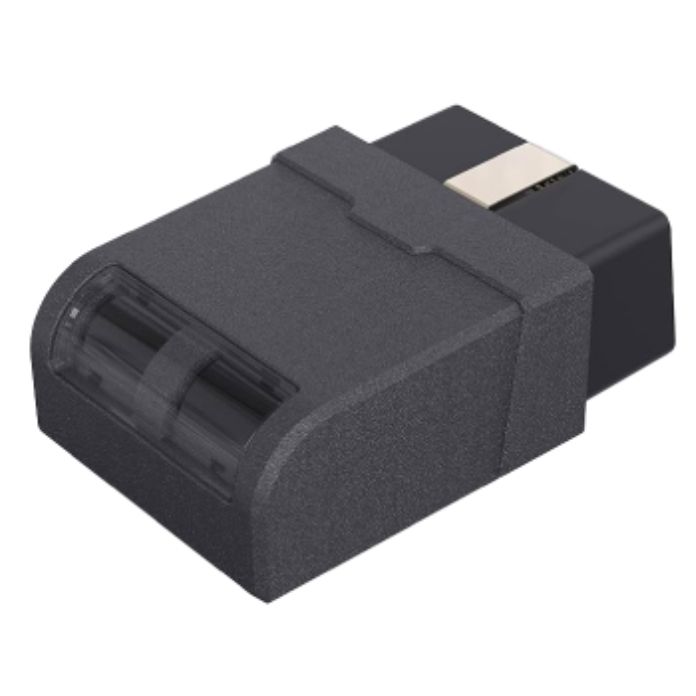
Alternatively, you can opt for an ECU tune, where a professional reprograms your engine control unit to disable AFM. This option offers a more permanent solution but requires expertise and may void your warranty. For a hardware-based approach, some drivers choose to replace AFM-specific components, such as lifters, with standard parts to ensure the system is permanently disabled.
Should You Disable AFM?
Deciding whether to disable AFM ultimately depends on your priorities and driving habits. If you value fuel efficiency and reduced emissions, keeping AFM enabled might be the right choice for you. On the other hand, if you’ve experienced issues like lifter failure or prefer consistent engine performance, disabling AFM could offer significant benefits.
Drivers who primarily use their vehicles for highway driving or long distances may find AFM’s fuel-saving benefits worthwhile. However, those who want to maximize engine longevity and avoid potential repair costs may prefer to disable the system altogether. It’s essential to weigh the pros and cons carefully and consult with a trusted mechanic before making a decision.
Active Fuel Management is a fascinating technology that delivers real benefits in terms of fuel efficiency and emissions reduction. However, it’s not without its trade-offs. Whether to disable it or not is a personal decision that depends on your unique driving habits, priorities, and long-term plans for your vehicle. By understanding how AFM works and its potential impacts, you can make an informed choice that aligns with your needs and keeps your vehicle performing at its best for years to come.