MPG Maintenance: The Importance of Regular Tune-Ups and Oil Changes
If you’ve ever wondered why your car’s fuel economy isn’t as great as it used to be, you’re not alone. The secret to maintaining and improving your vehicle’s miles per gallon (MPG) and extending its lifespan often comes down to two simple but essential practices: regular tune-ups and oil changes. Let’s dive into why these maintenance tasks are so crucial and how they can keep your car running at its best.
What is MPG and Why Does It Matter?
MPG, or miles per gallon, measures how far your car can travel on a single gallon of fuel. It’s an essential metric not just for saving money at the pump but also for reducing your vehicle’s environmental impact. A well-maintained car can achieve better fuel efficiency, which is good for your wallet and the planet.
The Role of Regular Tune-Ups in MPG Maintenance
A tune-up is a preventative maintenance service that helps keep your vehicle running efficiently and reliably. This service typically involves inspecting and replacing key components such as spark plugs, air filters, fuel filters, and ignition wires. By addressing potential issues before they escalate, a tune-up can help prevent costly repairs and breakdowns.
Regular tune-ups can significantly improve your vehicle’s fuel economy. When your car’s engine components are clean and functioning optimally, it doesn’t have to work as hard to perform its tasks. Worn-out spark plugs, dirty air filters, and clogged fuel filters can all hinder engine performance and lead to decreased fuel efficiency. By replacing these components during a tune-up, you can help your vehicle achieve better gas mileage and save money on fuel costs.
Several signs indicate that your car may be overdue for a tune-up. Some common warning signs include difficulty starting the engine, decreased fuel efficiency, rough idling or stalling, and a persistent check engine light. Ignoring these symptoms can lead to more serious problems, such as engine damage or misfires. To keep your vehicle running smoothly and avoid costly repairs, it’s important to schedule a tune-up as soon as you notice any of these signs.
 The Importance of Oil Changes for MPG
 The Importance of Oil Changes for MPG
Oil is the lifeblood of your engine. It lubricates all the moving parts, reducing friction and keeping the engine cool. Over time, oil becomes contaminated with dirt, debris, and metal particles. This dirty oil is less effective at lubricating and cooling the engine, causing it to work harder and use more fuel.
Most experts recommend changing your oil every 3,000 to 5,000 miles, but the specific interval can vary depending on your vehicle, driving habits, and the type of oil you use. Modern synthetic oils are designed to last longer than conventional oils, but it’s essential to consult your owner’s manual for the recommended oil change interval.
Neglecting oil changes can have serious consequences for your vehicle. Skipping oil changes can lead to increased engine wear and tear, poor fuel efficiency, engine overheating, and costly repairs. In severe cases, it can even result in complete engine failure. Regular oil changes are a simple and affordable way to protect your engine, improve fuel economy, and extend the lifespan of your vehicle.
How Do Tune-Ups and Oil Changes Work Together?
While tune-ups focus on optimizing individual engine components, oil changes ensure that the entire system runs smoothly. Together, they create a synergistic effect that maximizes your car’s performance and fuel economy. Think of it like teamwork: every part of your car needs to pull its weight to deliver optimal results.
Improving MPG with Plug-In Performance Chips
For those looking for improving MPG, plug-in performance chips, like the ones from Rocket Chip, are a game-changer. These devices are designed to optimize your vehicle’s fuel efficiency by adjusting engine parameters such as air-fuel mixture, ignition timing, and throttle response. Rocket Chip, in particular, is renowned for its precision-tuned chips that are easy to install and deliver noticeable improvements in fuel economy without compromising power or performance.
By fine-tuning your car’s engine for efficiency, these chips can help you save money at the pump while also enhancing your driving experience. If you’re serious about squeezing every mile out of your fuel tank, investing in a high-quality performance chip could be the key.
Common Myths About MPG Maintenance
While modern cars with advanced engine technology may require less frequent tune-ups compared to older vehicles, they still benefit from regular maintenance. Components like spark plugs and air filters wear out over time and can significantly impact fuel efficiency and engine performance. Ignoring these essential maintenance tasks can lead to decreased fuel economy, reduced engine life, and potential breakdowns.
Even with the advent of high-quality synthetic oils, it’s crucial to adhere to recommended oil change intervals. While these advanced oils can last longer than conventional oils, they still break down over time due to heat, friction, and contamination. Delaying oil changes can put unnecessary stress on your engine, leading to increased wear and tear, reduced fuel efficiency, and potentially costly repairs.
While fuel additives can help clean your engine and improve fuel efficiency to a certain extent, they are not a substitute for regular maintenance. Fuel additives should be viewed as a supplementary measure, not a replacement for tune-ups and oil changes. Regular maintenance, including timely oil changes and tune-ups, is essential to ensure your vehicle’s optimal performance, longevity, and fuel efficiency.
DIY vs. Professional Maintenance: What’s Best for You?
For those who are mechanically inclined, performing basic maintenance tasks at home can be a rewarding experience. Replacing air filters and checking oil levels are relatively simple procedures that can be done with the right tools and a bit of knowledge. Consulting your car’s owner’s manual is essential to ensure you follow the correct procedures and use the appropriate parts.
 However, for more complex tasks like changing spark plugs, timing belts, or diagnosing engine issues, it’s advisable to entrust the work to qualified professionals. Mechanics have the expertise, specialized tools, and diagnostic equipment to accurately identify and address potential problems. By seeking professional assistance, you can ensure that your vehicle receives the proper care and maintenance it needs to perform optimally.
The Cost of Neglecting MPG Maintenance
Skipping tune-ups and oil changes might save you a few bucks today, but the long-term costs can be staggering. Reduced fuel efficiency means more trips to the gas station, and neglecting maintenance can lead to costly repairs or even the need for a new car altogether.
Simple Tips for Improving MPG
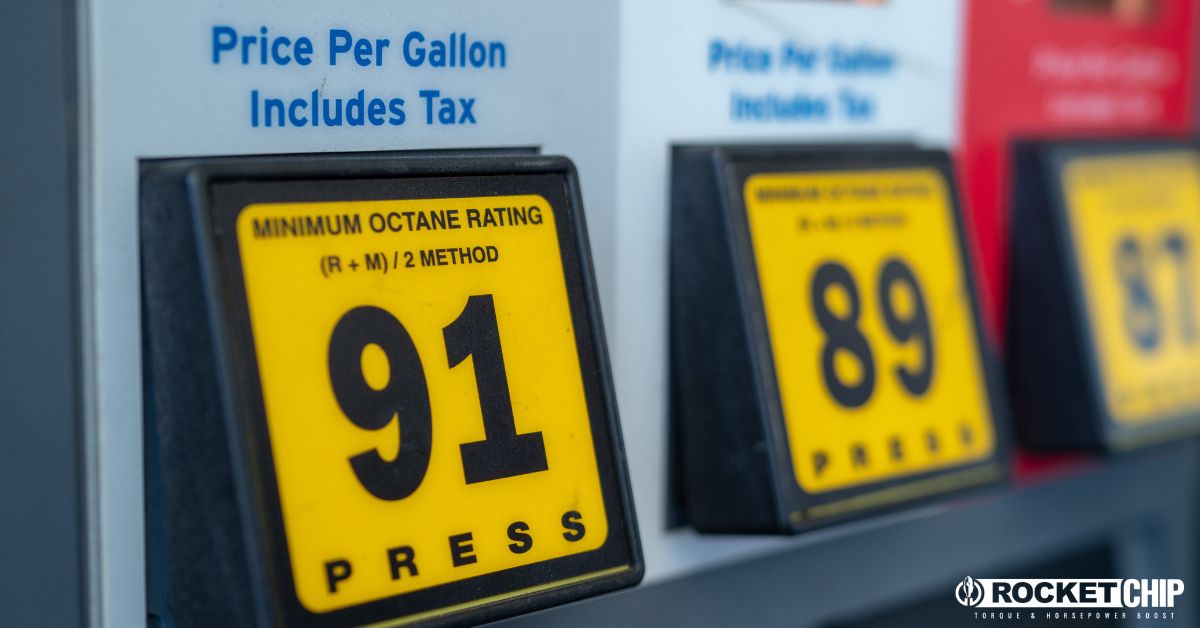
Maintaining proper tire inflation is crucial for fuel efficiency, as low tire pressure increases rolling resistance. Additionally, reducing the weight in your vehicle can lighten the load on your engine, leading to improved fuel economy. Aggressive driving habits, such as sudden acceleration and braking, waste fuel. Finally, using the right fuel grade recommended by your vehicle’s manufacturer can optimize engine performance and fuel efficiency.
Improving MPG
Regular tune-ups and oil changes might seem like minor tasks, but they play a huge role in maintaining your car’s MPG and overall health. Think of them as investments in your vehicle’s future. By staying on top of these essential maintenance practices, you’ll save money, reduce your environmental impact, and enjoy a smoother, more reliable ride.