

Everything You Need to Know About Toyota Performance Chips
When it comes to enhancing the performance of your Toyota, there are several routes you can take. One of the most popular and cost-effective methods is through the installation of a performance chip. But what exactly are these chips, and how do they work? In this article, we’ll dive deep into the world of Toyota performance chips, explaining what they are, how they function, and whether they’re worth the investment for your car.
What Are Toyota Performance Chips?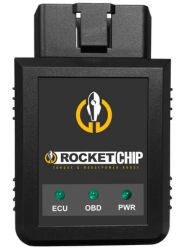
A performance chip, also known as an engine control unit (ECU) chip or tuner, is a small device that can be plugged into a car’s ECU to modify various settings. These settings include fuel-to-air ratio, ignition timing, and other parameters that affect your vehicle’s performance. The main goal of these chips is to optimize your car’s performance, whether it’s increasing horsepower, improving fuel efficiency, or enhancing throttle response.
How Do Performance Chips Work?
To understand how a performance chip works, it’s essential to grasp the role of your car’s ECU. The ECU, akin to the brain of your car, manages engine performance based on factory settings that balance efficiency, emissions, and power. These settings are optimized for various drivers and environments but may not be tuned for maximum performance. Performance chips modify some of these factory settings, allowing your engine to exceed its normal limits. Depending on the type of chip, it can alter fuel injection patterns for increased fuel delivery, adjust ignition timing for a more precise burn of the air-fuel mixture, or enhance turbo boost pressure for turbocharged engines, resulting in a significant boost in horsepower.
Types of Performance Chips for Toyota
Toyota vehicles offer a variety of performance chips, each providing different levels of control and performance enhancement. OBD-II performance chips are the most user-friendly option. Simply plug them into your car’s OBD-II port, and they begin adjusting settings immediately. No technical expertise or professional installation is required.
ECU flash tuners are more advanced. They reprogram your vehicle’s ECU by flashing new settings directly into the control unit. While they offer a more substantial performance boost, they require professional installation and should be handled with caution.
Piggyback chips are installed between the ECU and the engine. They don’t replace your ECU’s settings but work alongside them to tweak certain parameters for better performance. This allows for more customization but can require a more complex installation process.
Benefits of Installing a Toyota Performance Chip
Many car enthusiasts choose to install performance chips in their Toyota vehicles for various reasons. One of the primary benefits is increased horsepower. By optimizing air-fuel ratios and ignition timing, a performance chip can give your Toyota the extra power you desire. Additionally, some performance chips are designed to improve fuel efficiency. These chips fine-tune the engine to use fuel more effectively, making them ideal for daily drivers seeking to save on gas.
 Another benefit of performance chips is enhanced throttle response. If you’ve experienced a delay between pressing the gas pedal and your car accelerating, a performance chip can reduce or eliminate this lag, providing a more responsive and enjoyable driving experience. Some performance chips also increase the amount of torque your engine produces. More torque means your car can accelerate faster and handle heavier loads more effectively, making it ideal for trucks and SUVs. Finally, performance chips offer a level of customization for those who enjoy tinkering with their cars. Many chips allow you to adjust various parameters to suit your driving style, whether you prioritize maximum performance or better fuel efficiency.
Potential Downsides of Performance Chips
While performance chips offer numerous benefits, they are not without their drawbacks. It’s essential to weigh the pros and cons before making a decision. One of the biggest risks is voiding your vehicle’s warranty. Additionally, pushing your engine to perform at higher levels can result in increased wear and tear on certain components. If you’re constantly running your car at peak performance, you may need to replace parts like the clutch, brakes, or transmission more frequently. Improper installation or tuning can also lead to serious engine issues.
Are Toyota Performance Chips Worth It?
Whether a performance chip is worth it for your Toyota depends largely on your goals. If you’re looking for a simple way to get more horsepower or improve fuel efficiency, a performance chip can be a good investment. However, if you’re concerned about maintaining your warranty or the long-term health of your engine, you may want to think twice.
For many Toyota owners, the modest gains in power and efficiency are worth the risks, especially if they plan to keep the car for a long time and don’t mind the potential for extra maintenance.
 Toyota Performance Chips
 Toyota Performance Chips
Toyota performance chips offer a simple, affordable way to boost power and efficiency. While they can enhance your driving experience, consider the risks, like voiding your warranty or increasing engine wear. Choose a compatible chip and consider professional installation for optimal results.