Extreme Conditions, Extreme MPG: Tips for Driving in Any Weather
Ever wondered why improving mpg is almost impossible the moment the weather takes a turn? You’re not imagining things—extreme weather conditions can mess with your gas mileage big time. Whether you’re battling scorching heat, icy roads, heavy rain, or gusty winds, your MPG (miles per gallon) can suffer if you’re not prepared. But don’t worry—we’ve got the inside scoop on how to stay efficient and safe, no matter what Mother Nature throws your way.
Why Weather Impacts Fuel Economy
Before we dive into the tips, let’s look at the “why.” Cold weather makes your engine work harder. Hot weather puts extra strain on your A/C. Rain and snow create resistance. And wind? It’s like an invisible hand pushing against your car. All of these mean your car burns more fuel just to maintain the same speed or performance.
Cold Weather Driving: How to Beat the Freeze
In colder weather, avoid excessive idling to warm up your modern vehicle, as only about 30 seconds is typically necessary, and consider using an engine block heater in very cold temperatures for easier starts and improved initial fuel efficiency; regularly check and maintain proper tire pressure, as cold weather can cause it to drop, leading to increased rolling resistance and lower MPG; and clear your windows manually or use a windshield cover to minimize the energy-intensive use of defrosters, particularly important for electric and hybrid vehicles.
Hot Weather: Keep Cool Without Killing Your MPG
To minimize the strain on your car’s air conditioning and conserve fuel during hot weather, try parking in shaded areas or using a windshield sunshade to keep the interior cooler, ventilate the car by opening doors or windows briefly before driving to release hot air, utilize the “recirculate” setting on your A/C to cool the existing cabin air more efficiently than constantly drawing in outside heat, and if possible, schedule your driving for the cooler morning or evening hours.
Rainy Weather: Wet Roads, Slippery Stats
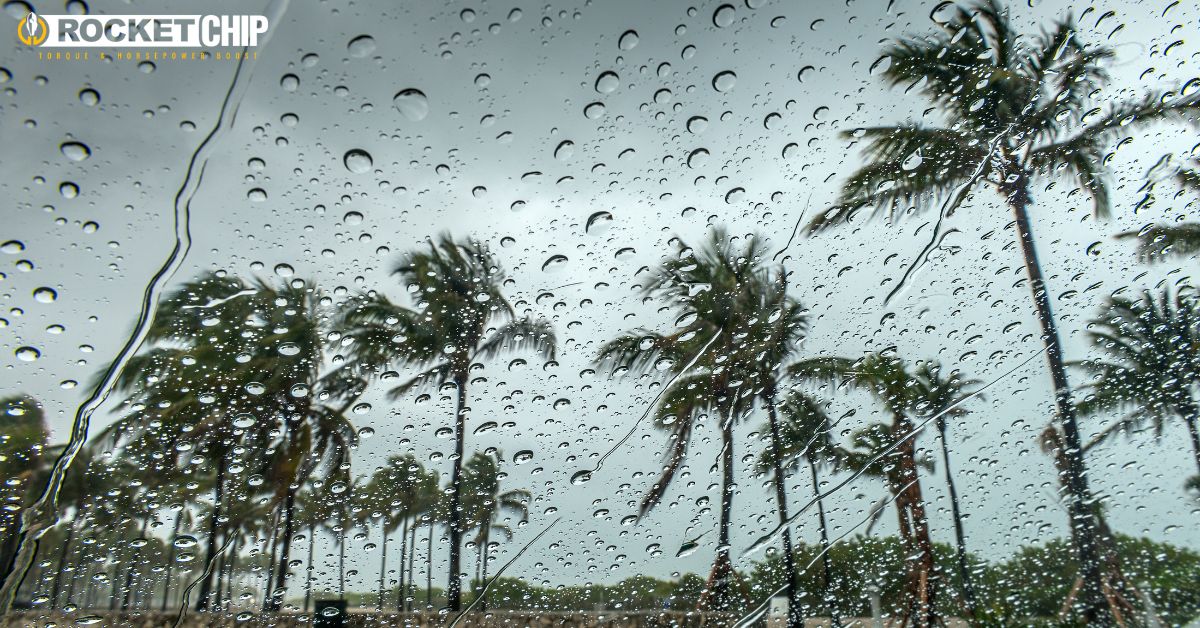
Driving cautiously and at a reduced speed during heavy rain not only enhances safety by improving traction and minimizing drag but also helps conserve fuel, while avoiding standing water prevents increased rolling resistance that negatively impacts MPG and reduces the risk of hydroplaning; furthermore, ensuring good visibility with well-maintained wipers and lights promotes smoother, more consistent driving, which in turn optimizes fuel efficiency by preventing erratic maneuvers caused by poor sight.
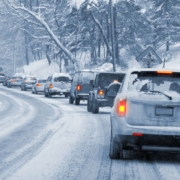
 Snow and Ice: When Roads Get Treacherous
 Snow and Ice: When Roads Get Treacherous
Optimize your vehicle’s load by carrying essential emergency gear without unnecessary bulk to avoid hauling extra weight that reduces fuel efficiency, switch back to regular tires once winter is over to minimize the increased rolling resistance of snow tires and improve MPG, and consolidate short errands into longer trips to allow your engine to reach its optimal operating temperature for better fuel efficiency, rather than taking multiple short drives with a cold engine.
Windy Conditions: Fighting an Invisible Force
Drafting behind larger vehicles, while maintaining a safe following distance to reduce wind resistance and improve fuel economy, and ensuring your vehicle is as aerodynamic as possible by securing loose items like roof racks and flags, as well as keeping windows closed, can help mitigate the impact of windy conditions on fuel consumption, and slightly reducing your speed during high winds will further minimize wind resistance and improve your MPG.
All-Weather Tips: The Universal MPG Boosters
Employing cruise control on safe, open roads helps maintain a consistent speed and conserve fuel, but remember to disengage it in adverse weather conditions; reducing unnecessary weight in your vehicle can improve fuel economy, as every extra 100 pounds can decrease MPG; adhering to a regular maintenance schedule, including oil changes, air filter replacements, and spark plug maintenance, ensures your engine operates efficiently in all conditions; and adopting smooth driving techniques, such as gradual acceleration and deceleration, rather than abrupt starts and stops, is crucial for improving mpg.
Plan Ahead, Save Big
Apps like Waze or Google Maps can reroute you around traffic, construction, or weather issues. Sitting in stop-and-go traffic during a downpour is both stressful and a gas guzzler.
Fuel-Efficient Tech to the Rescue
Utilizing your vehicle’s “Eco” mode can automatically optimize throttle response and air conditioning usage for better fuel efficiency, allowing the car to manage consumption; however, while remote start offers convenience, it can be inefficient, particularly in colder weather, so it’s best used judiciously to balance comfort with fuel conservation.
Think Beyond the Car: The Human Factor
 Think Beyond the Car: The Human Factor
With improving mpg, simple adjustments to your driving habits and attire can help significantly; dressing appropriately for the weather can reduce the need for excessive heating or air conditioning, while maintaining a calm demeanor and avoiding aggressive driving behaviors like speeding and hard braking will not only save fuel but also contribute to a more relaxed driving experience.
Weather-Proof Your MPG
You can’t control the weather, but you can control how you drive through it. From icy roads to blazing highways, each condition throws its own wrench into your fuel efficiency. But with a little preparation, smart habits, and a proactive mindset, you can beat the weather at its own game—and maybe even enjoy the ride a bit more.
So next time the forecast looks wild, don’t sweat it (or freeze up). Just remember these tips, keep your tank topped, and drive like you mean it—efficiently.